Pan Seared Filet Mignon
Highlighted under: Comfort Food Cravings
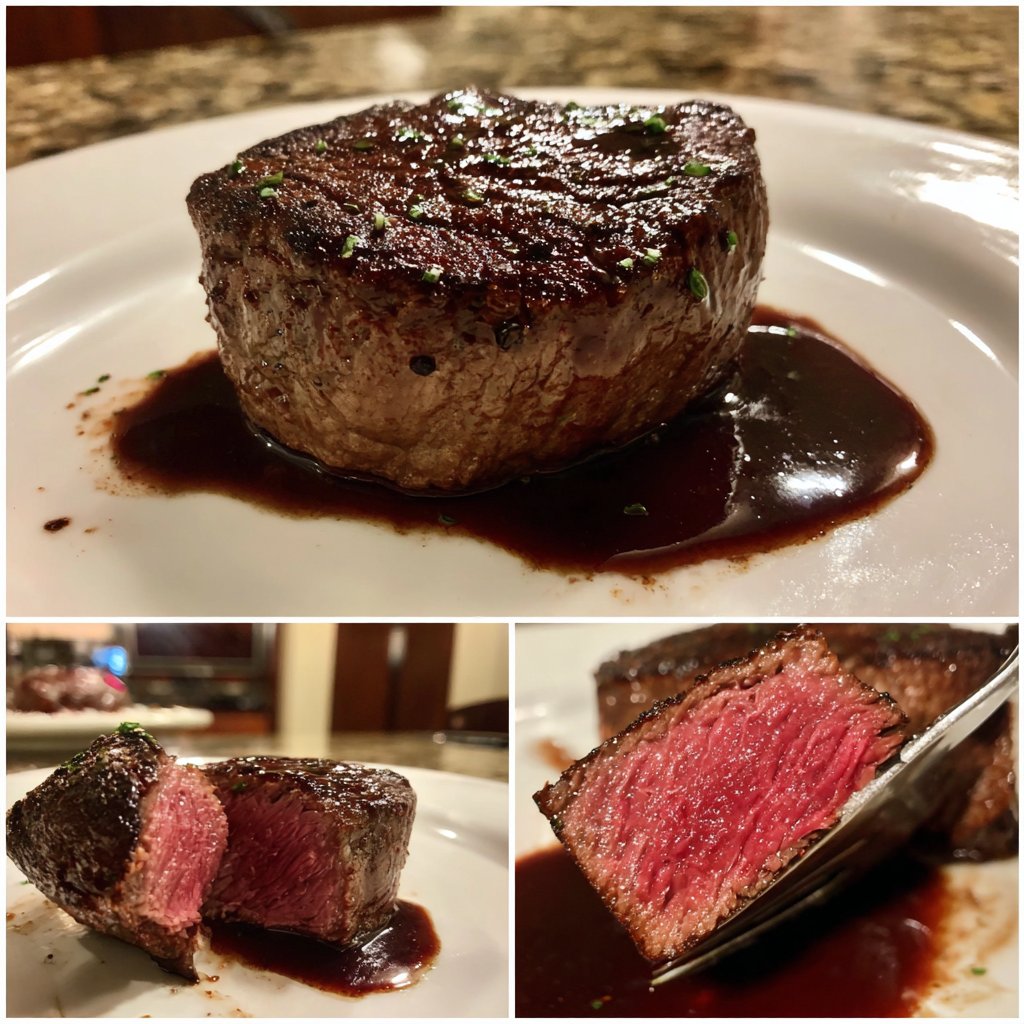
When it comes to a special dinner, there's nothing quite like the rich taste of a perfectly pan-seared filet mignon. I've spent countless evenings experimenting with different methods, and let me tell you, this approach guarantees a tender, juicy steak with a golden crust. The key is to use high-quality meat and let it rest after cooking to lock in all those juices. Served with a side of sautéed vegetables or mashed potatoes, this dish never fails to impress my dinner guests.
I remember the first time I made this pan-seared filet mignon. I was nervous but excited, and I opted for a simple garlic and thyme seasoning to highlight the beef's natural flavors. The sizzle when the steak hits the hot pan was music to my ears! I learned that searing at high heat creates that wonderful crust while keeping the inside succulent.
Another crucial point I discovered was the importance of letting the filet rest post-cooking. This allows the juices to redistribute, making every bite tender and flavorful. Once I paired it with a rich red wine reduction, it became a staple in my cooking repertoire.
Why You'll Love This Recipe
- Juicy and tender steak that's cooked to perfection
- Rich flavors from garlic and thyme, elevating the dish
- A restaurant-quality meal made right at home
Choosing the Right Cut
The quality of the filet mignon is crucial for this recipe. Look for steaks with a good amount of marbling, which indicates tenderness and flavor. Grass-fed beef often has a more pronounced flavor, while grain-fed can be richer and more buttery. When shopping, don't hesitate to ask your butcher for recommendations on the freshest cuts available—opting for USDA Prime or Choice grades ensures a superior eating experience.
Another point to consider is the thickness of the steaks. Thicker cuts (around 1.5 to 2 inches) will yield a more impressive crust while remaining juicy inside. If you're cooking for a crowd, consider using a larger piece of filet mignon and slicing it after cooking. This method allows you to achieve an excellent sear and serve your guests evenly cooked portions.
Mastering the Sear
Achieving the perfect sear is all about patience and technique. Ensure your pan is preheated adequately; when the oil shimmers and starts to smoke slightly, it's time to add the steaks. The initial contact with the hot skillet creates that essential crust, which not only adds flavor but also keeps the meat juicy. If the steak sticks to the pan, it likely needs more time to sear; avoid flipping too soon, or you might lose that coveted crust.
Temperature control is vital as well. After flipping, reduce the heat slightly to maintain a steady cooking temperature without burning the outside. Use a meat thermometer to check for doneness; 130°F (54°C) for medium-rare is ideal. Remember, the steak will continue to cook slightly as it rests, so remove it from the heat a few degrees before reaching your target temperature.
Serving Suggestions
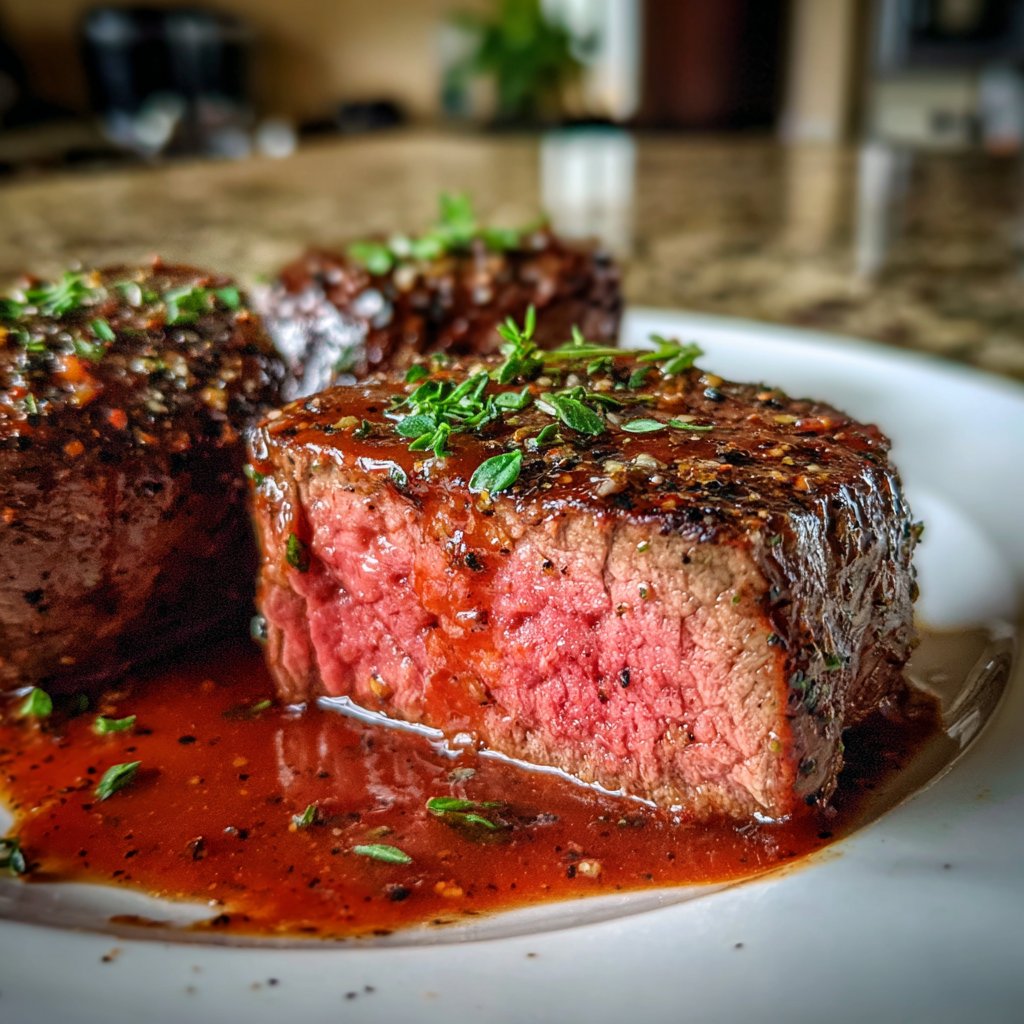
Present your pan-seared filet mignon with an elegant side of sautéed seasonal vegetables or creamy mashed potatoes to round out the meal. A simple arugula salad drizzled with a lemon vinaigrette can provide a refreshing contrast. For a touch of decadence, consider adding a red wine reduction sauce or a dollop of herb-infused compound butter on top of the steak just before serving for added flavor and richness.
If you're looking for a twist, feel free to customize your aromatics. Besides garlic and thyme, adding fresh rosemary or a splash of balsamic vinegar can create a unique flavor profile. Just remember to adjust the cooking times if you're using more delicate herbs; they can burn if added too early during the cooking process.
Ingredients
Gather these ingredients to create the perfect filet mignon.
Ingredients
- 2 filet mignon steaks (6-8 oz each)
- 2 tablespoons olive oil
- 2 cloves garlic, smashed
- 3-4 sprigs fresh thyme
- Salt and black pepper to taste
- 2 tablespoons unsalted butter
With these ingredients ready, you'll be on your way to a delicious meal!
Instructions
Follow these steps for a perfectly seared filet mignon.
Prepare the Steaks
Take the filet mignon out of the refrigerator and let them sit at room temperature for about 30 minutes. Season generously with salt and black pepper on both sides.
Heat the Pan
In a cast-iron skillet or heavy pan, heat the olive oil over medium-high heat until shimmering but not smoking.
Sear the Filet
Add the steaks to the hot pan. Sear for about 4-5 minutes on one side until a golden crust forms. Flip the steaks.
Add Aromatics and Butter
After flipping the steaks, add smashed garlic, thyme, and butter to the pan. Spoon the melted butter over the steaks as they cook for an additional 3-4 minutes for medium-rare.
Rest the Meat
Remove the steaks from the pan and let them rest on a cutting board for 5-10 minutes before serving.
Your steak is now ready to be enjoyed!
Pro Tips
- For an extra level of flavor, consider making a red wine reduction sauce with the drippings from the pan after cooking your filet.
Storage and Reheating
If you find yourself with leftover filet mignon, store it in an airtight container and refrigerate for up to three days. To reheat, use a low oven temperature (around 250°F or 120°C) to warm it gently without drying it out. This method ensures the steak retains its tenderness and juiciness while evenly heating through.
When reheating, consider adding a splash of broth or wine over the steak to infuse moisture. Alternatively, a quick sear on the stovetop can revitalize the crust, but watch closely to avoid overcooking. It’s best to reheat just until warm, aiming for an internal temperature of 130°F (54°C) for medium-rare.
Customizing for Dietary Needs
If you're looking to make the filet mignon recipe a bit healthier, consider using a herb crust instead of butter. A blend of crushed nuts, breadcrumbs, and your choice of herbs can be sprinkled on top just before finishing in the oven, creating a delightful crust without excess fat.
For those avoiding gluten or dairy, focus on enhancing the natural flavors of the steak with a simple seasoning of salt and pepper. You can also create a flavorful sauce using balsamic vinegar and fresh herbs, which serves as both a marinade and a finishing touch without relying on butter.
Questions About Recipes
→ What is the best temperature for cooking filet mignon?
The best temperature for medium-rare filet mignon is around 130-135°F (54-57°C).
→ Can I use frozen filet mignon?
It's best to use fresh filet mignon, but if using frozen, thaw it completely in the refrigerator for 24 hours before cooking.
→ How do I know when my filet mignon is done?
Use a meat thermometer to check. For medium-rare, aim for 130-135°F (54-57°C).
→ What can I serve with filet mignon?
Filet mignon pairs well with sides like garlic mashed potatoes, sautéed asparagus, or a fresh salad.
Pan Seared Filet Mignon
Created by: Delilah Spencer
Recipe Type: Comfort Food Cravings
Skill Level: Intermediate
Final Quantity: 2 servings
What You'll Need
Ingredients
- 2 filet mignon steaks (6-8 oz each)
- 2 tablespoons olive oil
- 2 cloves garlic, smashed
- 3-4 sprigs fresh thyme
- Salt and black pepper to taste
- 2 tablespoons unsalted butter
How-To Steps
Take the filet mignon out of the refrigerator and let them sit at room temperature for about 30 minutes. Season generously with salt and black pepper on both sides.
In a cast-iron skillet or heavy pan, heat the olive oil over medium-high heat until shimmering but not smoking.
Add the steaks to the hot pan. Sear for about 4-5 minutes on one side until a golden crust forms. Flip the steaks.
After flipping the steaks, add smashed garlic, thyme, and butter to the pan. Spoon the melted butter over the steaks as they cook for an additional 3-4 minutes for medium-rare.
Remove the steaks from the pan and let them rest on a cutting board for 5-10 minutes before serving.
Extra Tips
- For an extra level of flavor, consider making a red wine reduction sauce with the drippings from the pan after cooking your filet.
Nutritional Breakdown (Per Serving)
- Calories: 540 kcal
- Total Fat: 35g
- Saturated Fat: 15g
- Cholesterol: 150mg
- Sodium: 85mg
- Total Carbohydrates: 0g
- Dietary Fiber: 0g
- Sugars: 0g
- Protein: 50g