Rosewater Panna Cotta
Highlighted under: Home-Style Sweets
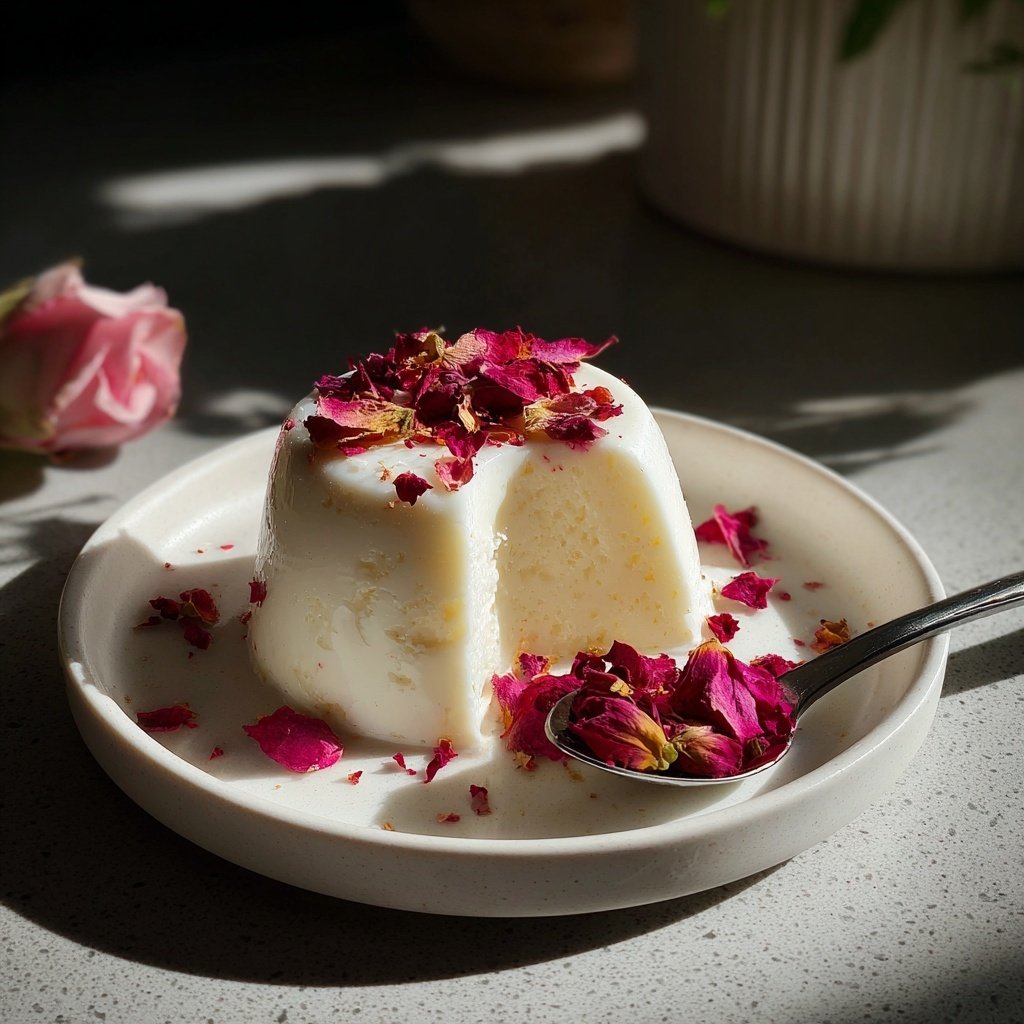
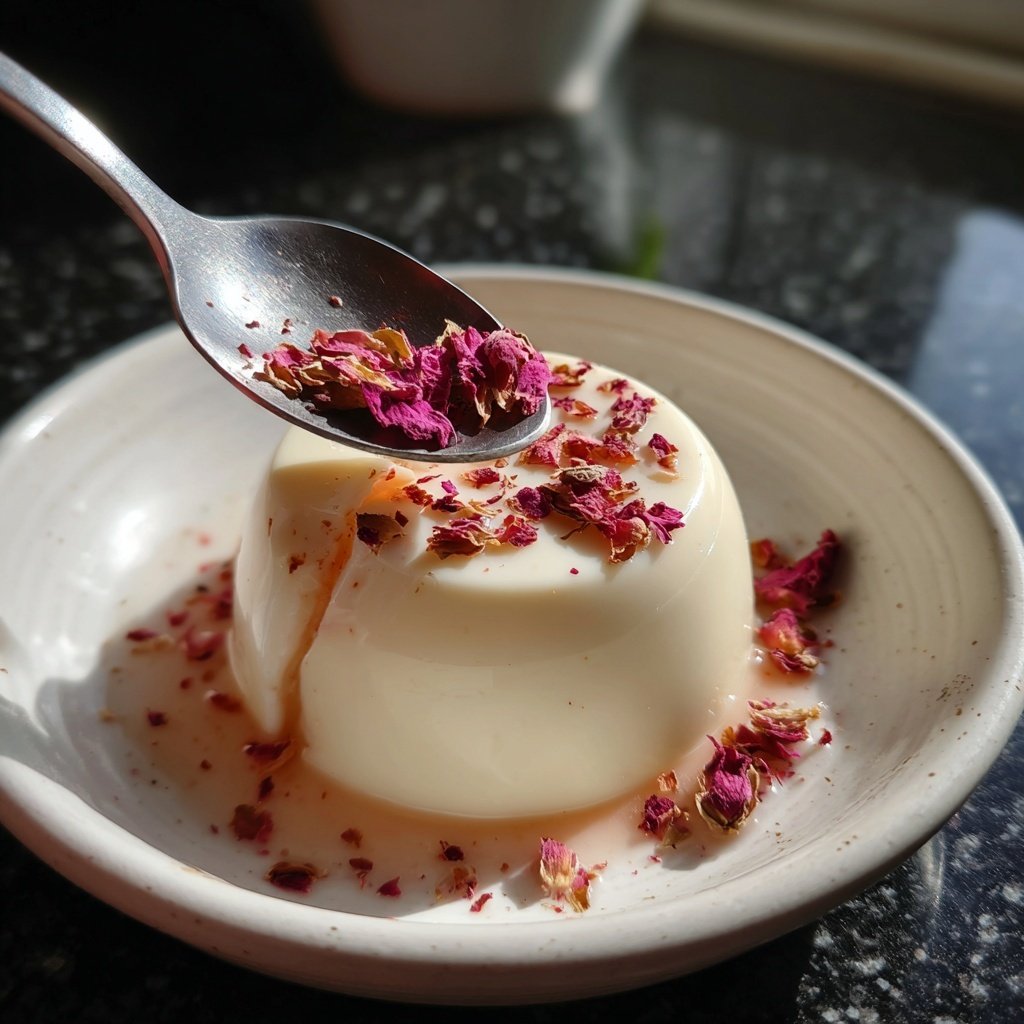
I absolutely adore the delicate flavor of rosewater paired with the creaminess of panna cotta. This Rosewater Panna Cotta recipe is a delightful treat that transports me to a lovely garden filled with blooming roses with every bite. It's surprisingly simple to prepare, requiring just a handful of ingredients and minimal cooking time. The result is a stunning dessert that's perfect for impressing guests or just indulging in a sweet moment at home. I can’t wait to share this sweet recipe with you!
When I first experimented with rosewater in desserts, I was amazed at how its floral notes elevated the simplicity of panna cotta. The balance of sweetness and the aromatic essence of rosewater creates a luscious experience. It was important to me to find the perfect amount of rose flavor without overwhelming the dish, and I think I've nailed it.
As I made this panna cotta, I realized how the gelatin adds that perfect wobbly texture—it’s a real crowd-pleaser. I often serve it with fresh berries or pistachios for added depth and texture, but it’s also wonderful on its own. Enjoying a slice of this after dinner feels like a little celebration!
Why You Will Love This Recipe
- Delicate and fragrant rosewater aroma
- Silky smooth and creamy texture
- Simple to prepare with minimal ingredients
- Perfectly sets for an elegant dessert presentation
Understanding the Role of Ingredients
The primary ingredients in Rosewater Panna Cotta—heavy cream, milk, and sugar—come together to create a creamy base. Heavy cream provides the signature silkiness and richness, while milk balances the fat content for a light texture. Using a combination ensures the panna cotta is neither too dense nor too runny, achieving that coveted creamy mouthfeel. Selecting high-quality dairy, such as organic cream and whole milk, can enhance the overall flavor of your dessert.
Rosewater is the star flavor in this recipe and adds an enchanting floral note that pairs beautifully with the cream. Be mindful when choosing rosewater; opt for pure, natural rosewater without artificial additives, as it greatly influences the aroma and taste. Too much rosewater can overwhelm the palate, so sticking to the 2 teaspoons specified in the recipe is crucial for effectively capturing its essence without becoming overpowering.
Tips for Gelatin Success
Blooming the gelatin in cold water is a critical step in ensuring a smooth panna cotta. This process hydrates the gelatin granules, allowing them to dissolve uniformly in the warm cream mixture without forming clumps. If your gelatin starts to form lumps before dissolving, simply reheat the mixture gently, stirring continuously, until the gelatin is fully incorporated and the mixture is smooth once more. Avoid boiling, as high heat can negatively affect the gelatin's setting properties.
If you're looking for a vegetarian alternative, consider using agar-agar as a substitute for gelatin. Agar-agar requires a slightly different approach; it should be boiled with the cream mixture for about 2 minutes to activate its gelling properties. Keep in mind that agar-agar sets more firmly than gelatin, so you might need to adjust the quantity slightly to achieve your desired texture. I recommend experimenting with this ingredient for a delightful twist.
Serving and Storing Your Panna Cotta
Once your panna cotta has set, it can be easily unmolded with a little finesse. To loosen the edges, gently run a knife around the inside of the mold. If you’re serving in cups, consider using a spoon to scoop it out. You can also dip the mold briefly in warm water to help release it. For an elegant presentation, serve it on a plate and garnish it with fresh raspberries or a sprinkle of crushed pistachios for added texture and color.
This dessert keeps well in the refrigerator for up to three days, making it an excellent option for make-ahead entertaining. If you're prepping for a special occasion, you can prepare the panna cotta a day in advance and allow it to set overnight. Just be sure to cover it gently with plastic wrap to prevent any odors from the refrigerator from impacting its delicate flavor.
Ingredients
Gather the following ingredients before you begin:
Ingredients
- 2 cups heavy cream
- 1/2 cup milk
- 1/2 cup sugar
- 2 teaspoons rosewater
- 1 packet (0.25 oz) unflavored gelatin
- 3 tablespoons cold water
- A pinch of salt
Make sure to measure the ingredients accurately for the best results.
Instructions
Follow these steps to create your Rosewater Panna Cotta:
Prepare the gelatin
In a small bowl, sprinkle the unflavored gelatin over cold water and let it sit for about 5 minutes to bloom.
Heat the cream
In a saucepan, combine the heavy cream, milk, sugar, and a pinch of salt. Cook over medium heat until the mixture is steaming but not boiling.
Combine gelatin
Remove the cream mixture from heat and stir in the bloomed gelatin until dissolved. Mix in the rosewater.
Pour into molds
Pour the mixture into individual serving molds or cups and refrigerate for at least 4 hours, or until fully set.
Serve
Once set, gently loosen the panna cotta from the molds by running a knife around the edges and invert onto a plate. Garnish with fresh berries or pistachios, if desired.
Enjoy your homemade Rosewater Panna Cotta!
Pro Tips
- For a stronger rose flavor, you can increase the amount of rosewater slightly, but be cautious not to overpower the dessert. Serving with a drizzle of honey can also enhance the sweetness.
Flavor Variations
While the classic rosewater flavor is stunning on its own, you can experiment with ingredients to customize your panna cotta. Infusing the cream mixture with cardamom pods or vanilla beans during heating can add a new depth of flavor. Simply strain the mixture before combining it with the gelatin to remove the solids for a smooth finish. Alternatively, a hint of citrus zest such as orange or lemon can brighten the floral notes, creating a refreshing variation.
For a more exotic flavor profile, consider adding a splash of coconut milk to the cream mixture. This will impart a subtle tropical undertone, complementing the rosewater beautifully. Adjust the sugar slightly, as coconut milk may alter the sweetness balance. As you tweak flavors, ensure you maintain the creamy consistency, which is the heart of panna cotta.
Troubleshooting Common Issues
Common pitfalls in panna cotta preparation include failure to properly bloom the gelatin or incorrect ratios of cream to gelatin. If your panna cotta doesn’t set properly, it may be due to insufficient gelatin or an overly warm mixture when combined. Ensure your cream is steaming but not boiling, and double-check that you’ve measured the gelatin accurately. Remember, if using agar-agar, the mixture must be boiled to activate its gelling properties.
Another issue could be texture-related. If you notice a grainy texture in your panna cotta, this often indicates the gelatin wasn’t fully dissolved. If this occurs, simply reheat the mixture gently while stirring until the mixture is smooth again. For an ultra-smooth panna cotta, consider straining it through a fine mesh sieve before pouring into molds.
Questions About Recipes
→ Can I use agar-agar instead of gelatin?
Yes, you can replace gelatin with agar-agar by following the package instructions, keeping in mind that it may require adjustments in quantities.
→ How long can I store panna cotta?
Panna cotta can be stored in the fridge for up to 3 days. Make sure it’s properly covered to maintain freshness.
→ Can I make this ahead of time?
Absolutely! This dessert is perfect for making ahead of time, allowing flavors to meld together beautifully.
→ What can I substitute for rosewater?
If rosewater isn’t available, you can use orange blossom water or vanilla extract for a different flavor profile.
Rosewater Panna Cotta
Created by: Delilah Spencer
Recipe Type: Home-Style Sweets
Skill Level: Easy
Final Quantity: 4 servings
What You'll Need
Ingredients
- 2 cups heavy cream
- 1/2 cup milk
- 1/2 cup sugar
- 2 teaspoons rosewater
- 1 packet (0.25 oz) unflavored gelatin
- 3 tablespoons cold water
- A pinch of salt
How-To Steps
In a small bowl, sprinkle the unflavored gelatin over cold water and let it sit for about 5 minutes to bloom.
In a saucepan, combine the heavy cream, milk, sugar, and a pinch of salt. Cook over medium heat until the mixture is steaming but not boiling.
Remove the cream mixture from heat and stir in the bloomed gelatin until dissolved. Mix in the rosewater.
Pour the mixture into individual serving molds or cups and refrigerate for at least 4 hours, or until fully set.
Once set, gently loosen the panna cotta from the molds by running a knife around the edges and invert onto a plate. Garnish with fresh berries or pistachios, if desired.
Extra Tips
- For a stronger rose flavor, you can increase the amount of rosewater slightly, but be cautious not to overpower the dessert. Serving with a drizzle of honey can also enhance the sweetness.
Nutritional Breakdown (Per Serving)
- Calories: 300 kcal
- Total Fat: 22g
- Saturated Fat: 14g
- Cholesterol: 70mg
- Sodium: 90mg
- Total Carbohydrates: 20g
- Dietary Fiber: 0g
- Sugars: 18g
- Protein: 4g